A clean bubbler means smooth, flavorful hits and a longer lifespan. But not all bubblers are the same. Whether you have a classic glass bubbler, a glycerin‑cooled piece, or a modular system, here’s the safe, effective way to wash each type.
What You’ll Need (For All Types)
- ★ Isopropyl alcohol (91% or higher)
- ★Coarse salt (kosher or sea)
- ★Warm (not boiling) water
- ★Pipe cleaners / soft bottle brush
- ★Microfiber cloth
- ★(Optional) Glycerin‑safe cleaner
Part 1: How to Clean a Regular Bubbler Pipe
Step‑by‑Step
- Empty old water and rinse with warm water to loosen debris.
- Pour in ISO + salt (about 1/4 cup of each).
- Cover all openings and shake vigorously for 2–3 minutes.
- Let it soak for 15–30 minutes if heavily stained.
- Use pipe cleaners to scrub hard‑to‑reach spots (stem and diffuser).
- Rinse thoroughly with warm water until no alcohol smell remains.
- Air‑dry upside down on a towel.
Never use boiling water – thermal shock can crack glass.
Part 2: How to Clean a Glycerin Bubbler (with freezable coil/chamber)
Key difference: Glycerin freezes, but you must never clean it in the freezer or with extreme temperatures.
Please note this cleaning guide is based on Phoenix Star glycerin bubbler pipes with detachable parts. If your bubbler is from other brand, please make sure this guide works with your piece.
Step‑by‑Step
- Detach the glycerin coil/chamber (if removable).
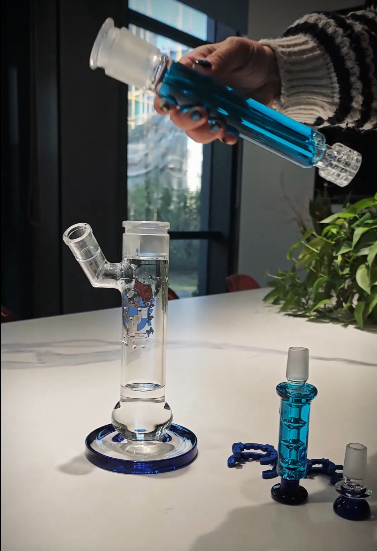
- Warm rinse – run lukewarm water through the coil to melt any resin. Do NOT use hot water – glycerin expands and can crack the glass.
- Fill the coil with ISO + salt, plug ends and shake gently (don’t shake too hard – the internal tubes are delicate).
- Soak for 10–15 minutes only – prolonged ISO exposure can degrade seals.
- Rinse thoroughly with lukewarm water until clear.
- For the rest of the bubbler (base, mouthpiece), use the regular method (Part 1).
- Air‑dry completely before refreezing – any moisture inside can burst the coil when frozen.
Never clean a glycerin coil in the freezer – and never use boiling water. Always let it return to room temperature before freezing again.
Part 3: How to Clean a Modular Bubbler Pipe
Advantage: Every piece separates – cleaning is easier than any other type.
Please note this cleaning guide is based on Phoenix Star modular bubbler pipes. If your bubbler is from other brand, please make sure this guide works with your piece.
Step‑by‑Step
- Disassemble – remove mouthpiece, percolators, and base. Remove clips.
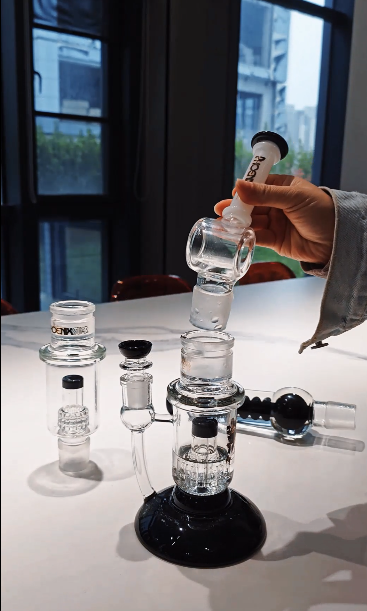
- Rinse each part with warm water to remove loose resin.
- Place all parts in a container or zip‑lock bag filled with ISO + salt.
- Shake each part individually, or soak the whole batch for 20 minutes.
- Use a brush to clean joints and percolator slits (since they’re accessible).
- Rinse each part thoroughly under warm running water.
- Dry all parts completely before reassembling – use a cloth for joints.
- Reassemble with fresh clips – your bubbler is like new.
Modular design means you can clean even the trickiest percs – no hidden chambers. Plus, if one part is stubborn, you can soak it longer without affecting the rest.
Pro Tips for All Types
- Frequency: Clean after every 3–5 sessions, or when you notice off‑flavors.
- Rinse well: Any residual ISO can affect taste – rinse until no smell.
- Soft brushes only: Never use metal brushes on glass – they scratch.
- Drying: Let everything air‑dry fully to prevent mold.
Frequently Asked Questions
Can I use dish soap instead of ISO?
For light cleaning, yes – but ISO + salt is much more effective on resin. Dish soap won’t dissolve sticky buildup.
How do I clean the inside of a glycerin coil without breaking it?
Use warm (not hot) ISO, shake gently, and never use abrasive tools inside. If it’s badly clogged, soak longer – but don’t force anything.
My modular bubbler has clips – can I soak the clips in ISO?
Yes – silicone/plastic clips are ISO‑safe. Rinse them well afterward. They don’t need long soaking – just a quick wipe.